
It Pays to Know: PBM Regulatory Trends Affecting Your Clients
[3-minute Webinar Recap]
Regulatory awareness is more than a compliance exercise. At PBDRx we use it as an opportunity to deliver greater value to clients.
All 50 states now have some form of PBM licensing or registration requirement, underscoring just how rapidly the regulatory landscape is evolving. It’s time to be prepared.
While the policies themselves are important, their downstream impact on pharmacy benefit strategy, drug spend, and member access is what deserves the closest attention. As you prepare for 2027, here are three areas worth focusing on.
3 Actions To Take In The Next 90 Days:
1. Evaluate the Impact of Drug Pricing Reforms
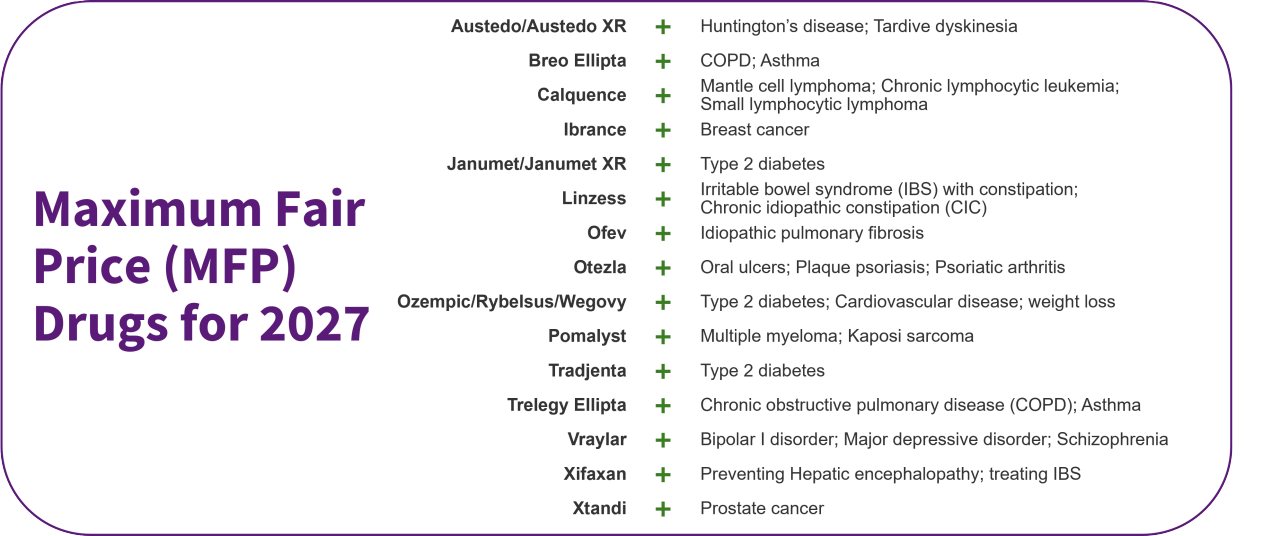
Federal initiatives continue to reshape pharmacy benefits through CMS drug negotiations, increased biosimilar adoption, and evolving manufacturer rebate strategies. Following the first 10 Medicare drugs selected for negotiation, CMS expanded the program to 15 drugs for 2027, including several GLP-1 therapies. While these changes may create opportunities for savings, they may also affect traditional cost management approaches, rebate dynamics, and long-term financial projections.
Consider: Are your clients’ current pharmacy projections accounting for changing drug pricing and rebate trends?
2. Keep State-Level Developments on Your Radar
Some of the most significant developments are occurring at the state level. Legislation affecting PBM operations, pharmacy ownership structures, dispensing fees, reporting requirements, and patient access continues to emerge across the country.
One notable example is Kentucky, where the state increased its pharmacy dispensing fee from $10.64 per prescription in 2025 to $16.31 effective January 1, 2027, representing a more than 53% increase in just two years. Changes like these can have a swift and meaningful impact on plan costs, member experience, and future benefit design considerations.
Discuss: Which state-level changes could directly affect your clients and their unique benefit strategy over the next 12 months?
3. Reassess Your PBM Evaluation Criteria
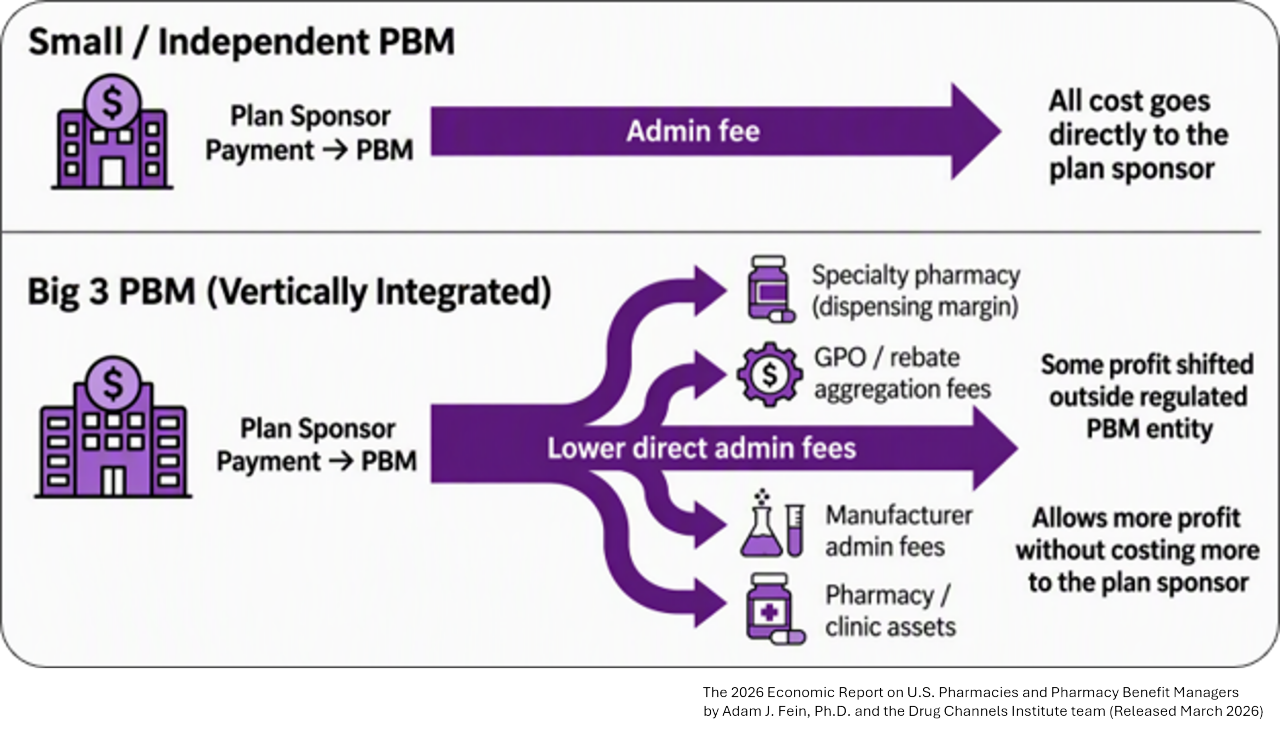
The Big 3, through their vertical integration, already have alternative revenue streams, whether it is through the supply chain, distributors, pharmacies, rebates, discounts, their admin fees.
As rebate dynamics shift and compliance requirements continue to grow, knowing where costs originate and how savings are achieved is more critical than ever.
Reflect: Do you have a clear understanding of where cost drivers originate, where savings are generated, and how your PBM is adapting to regulatory change?
The Bottom Line
Regulatory changes don't just affect compliance. They influence costs, competition, and the pharmacy benefit decisions you guide your clients to make every day.
The most valuable conversations over the next 90 days won't be about regulations alone. They'll be about what those regulations mean for your clients.
At PBDRx, we help brokers, consultants, and plan sponsors turn industry complexity into informed action. Whether you're evaluating a renewal, assessing pharmacy spend, or navigating a changing regulatory landscape, we're here to help you connect policy changes to real-world client impact.
Understanding the regulation important, but understanding its impact on your clients is where the real value begins. If any of these developments raise questions about your book of business, let's talk.
Let’s Connect
As regulations continue to evolve, the right strategy can make all the difference. PBDRx is here to help you assess the impact on your clients and identify opportunities moving forward.